
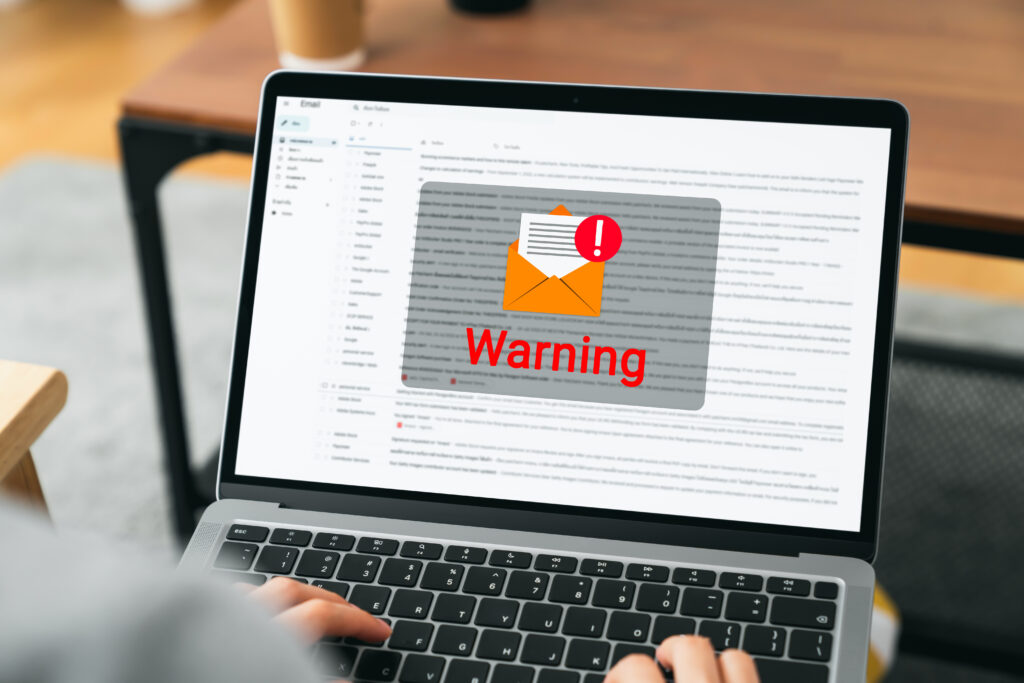
Every week, we hear the same heartbreaking story.
A phone call.
A text message.
An urgent email.
And then — thousands of dollars gone.
It’s easy to ask:
“How did they fall for that?”
But that question misses the real issue.
Scammers don’t succeed because older adults are foolish.
They succeed because they are strategic.
Let’s talk about why seniors are specifically targeted and what actually works to protect them.
Why Scammers Target Seniors
1. Trusting Generations
Many older adults were raised in a time when:
-
A phone call meant something
-
Authority was respected
-
Mail and communication were generally legitimate
Scammers exploit that trust.
2. Increased Financial Stability
Retirees often:
-
Own their homes
-
Have savings
-
Have established credit
That makes them attractive targets.
3. Social Isolation
Loneliness is one of the most powerful tools scammers use.
Romance scams, “grandparent” scams, and fake emergency calls rely on emotional manipulation, not technical confusion.
4. Digital Overwhelm
Technology changes quickly.
If someone feels unsure navigating:
-
Text messages
-
Email links
-
Online banking
They’re more likely to act quickly out of fear or confusion.
The Real Damage Isn’t Just Financial
Yes, money is lost.
But the deeper damage is often:
-
Shame
-
Embarrassment
-
Loss of confidence
-
Fear of using technology again
Many seniors never tell their children what happened.
That silence is what scammers depend on.
What Actually Protects Seniors
Protection isn’t about becoming a cybersecurity expert.
It’s about three things:
1. Slowing Down
Most scams rely on urgency.
Teaching someone to pause before responding is one of the strongest defenses.
2. Removing Embarrassment
If someone feels safe asking:
“Does this look real to you?”
They are far less likely to lose money.
Judgment creates silence.
Silence creates vulnerability.
3. Having a Safe Tech Guide
Not everyone wants to call their child every time something looks suspicious.
And adult children aren’t always available.
This is where supportive technology can help.
AI tools designed specifically for older adults can:
-
Review suspicious messages
-
Walk through steps calmly
-
Reinforce safety habits
-
Provide reassurance without judgment
When support is immediate and stigma-free, risk decreases dramatically.
What Families Can Do Today
If you have aging parents, here are simple steps:
-
Talk about scams before something happens.
-
Normalize asking for help.
-
Encourage two-factor authentication.
-
Create a “pause rule” for financial decisions.
-
Share resources they can use independently.
Protection works best when it preserves dignity.
A New Model of Support
At Smart Buddy Network, we believe technology should increase confidence, not create fear.
Older adults don’t need lectures.
They need:
-
Clarity
-
Patience
-
Reassurance
-
Tools built with their experience in mind
The goal isn’t to eliminate risk entirely.
The goal is to reduce vulnerability while maintaining independence.
Final Thought
If someone you love has ever fallen for a scam, remember:
They weren’t careless.
They were targeted.
And with the right kind of support, the next attempt doesn’t have to succeed.
Learn more about How to Spot A Scam Text or Email.